A caregiving conversation can quickly become a list. Who is making the next call? What needs to be picked up? Which message still needs an answer?
Those details matter. But a list can fill the whole conversation before anyone asks how the people involved are doing.
What interests me is the space between completing a task and feeling supported. Someone can be surrounded by activity and still feel alone. Someone else may be doing a great deal of quiet work that never appears on the family calendar.
There is the person who remembers to check in, the person who keeps everyone informed, and the person who notices when a familiar routine has become difficult. It can be easy to see the finished errand while missing the attention that made it happen.
A more thoughtful conversation might begin with curiosity: What has been taking the most time lately? What would you like someone else to understand? Is there something you miss talking about that has nothing to do with the next task?
These questions leave room for the person receiving care, too. A parent remains a person with preferences, stories, humor, and a life beyond what needs arranging today.
I want practical writing about caregiving to leave space for both people: the aging parent and the adult child learning how to help without losing sight of their own life.
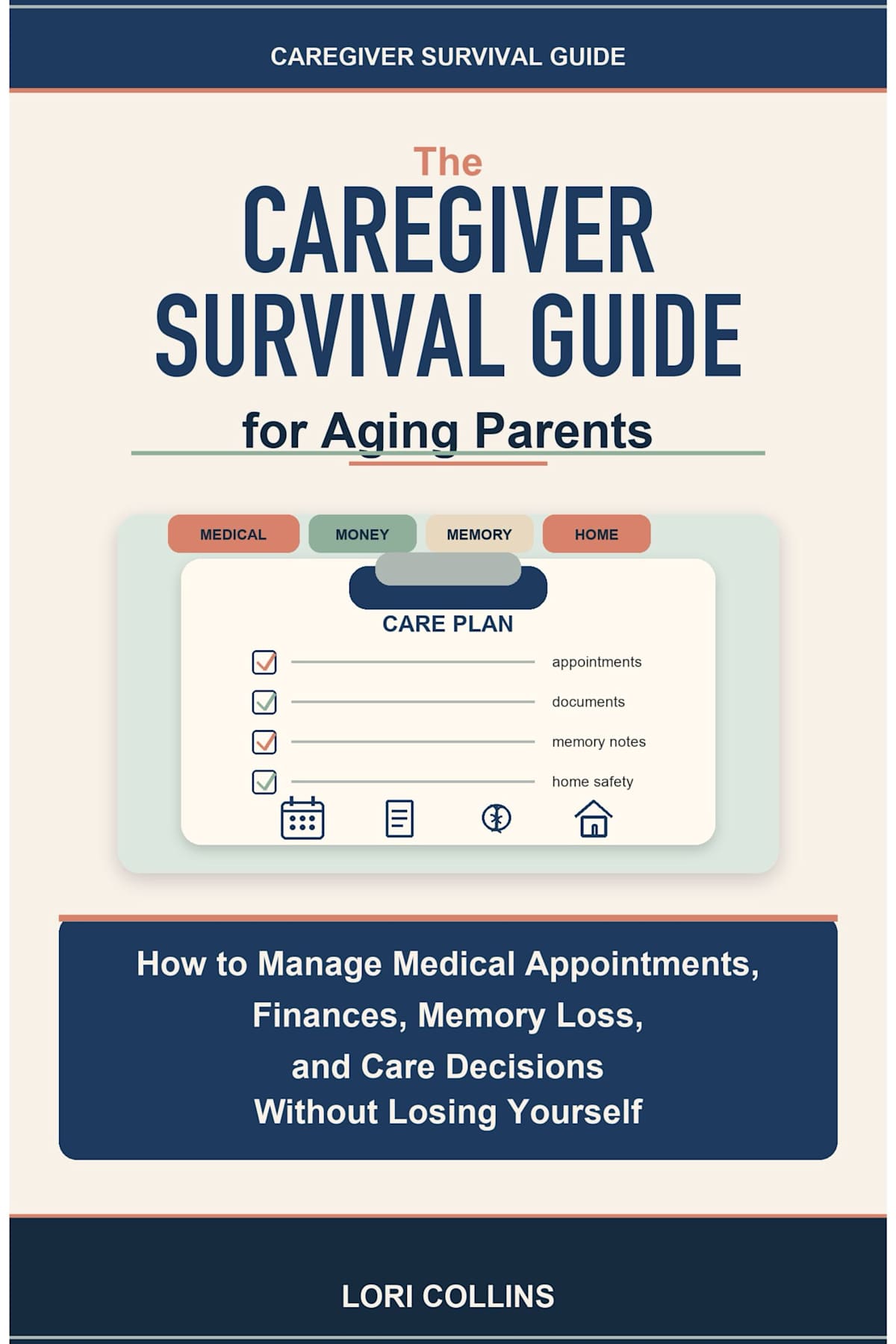
That concern sits at the heart of The Caregiver Survival Guide for Aging Parents. You can explore the book in my book catalog.
When you think of feeling supported, what comes to mind first: a task someone took off your plate, an unhurried conversation, or being remembered when you had not asked for anything?